If you have spent any time reading headphone forums or shopping for your first "serious" pair, you have run into the terms open-back and closed-back, usually treated as a dividing line that separates the clued-in from the clueless. It is a genuinely important distinction, but it is also one of the most over-mystified topics in personal audio. Here is what the difference actually is, why it matters for the way you listen, and where each type quietly disappoints.
The one physical difference that changes everything#
Strip away the marketing and the debate comes down to a single design choice: what sits behind the driver.
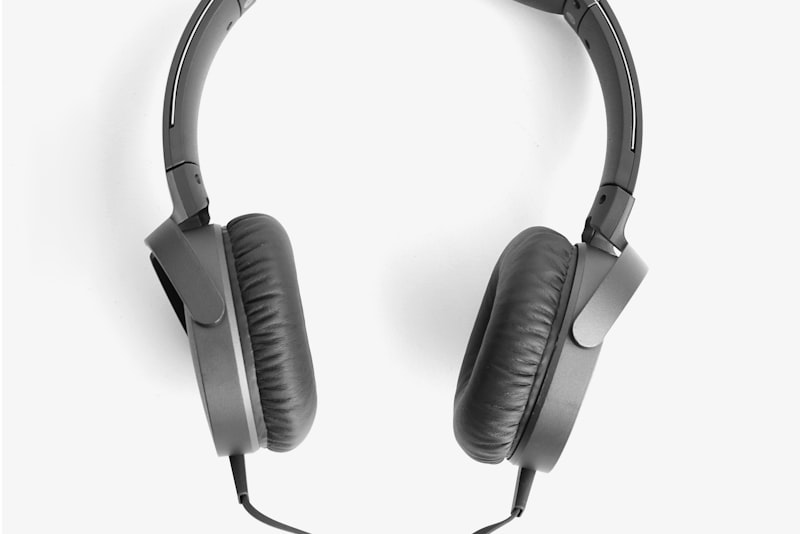
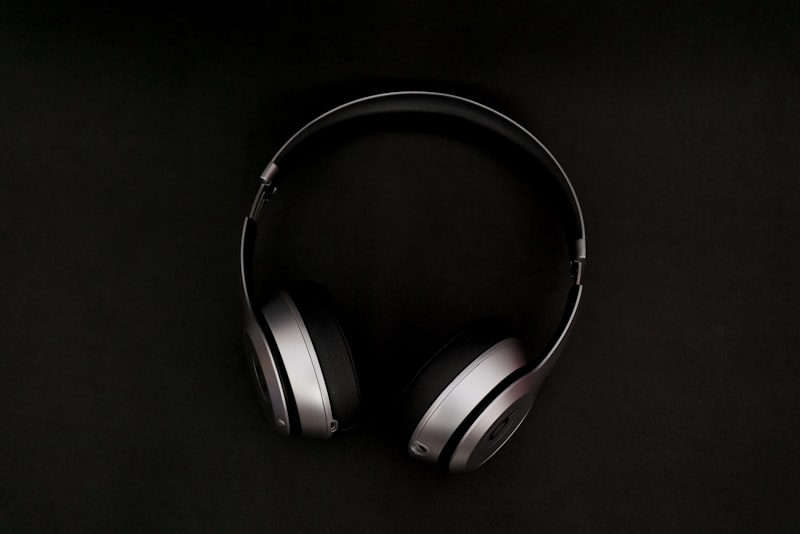
In a closed-back headphone, the outer cup is sealed. The back of the driver fires into an enclosed chamber, and the plastic or metal housing keeps that sound trapped inside. In an open-back headphone, that outer cup is perforated, vented, or covered by nothing more than a metal grille and a thin layer of foam. The rear of the driver breathes freely into the room.
That is the whole story, mechanically. Everything else people talk about, soundstage, isolation, comfort, leakage, flows out of that one decision. When the back of a driver is sealed, the trapped air acts like a spring pushing back on the diaphragm. When it is open, that back-pressure largely vanishes and the driver moves more freely. You can hear the consequences, but the cause is just a wall that is either there or it is not.
A quick reality check before we go further: this is a spectrum, not two rigid camps. Plenty of headphones are semi-open, with partially vented cups that split the difference. And a badly tuned open-back can sound worse than a well-tuned closed-back, and vice versa. The design is a starting point, not a guarantee of quality.
What open-back headphones do well#
Open-backs have a reputation as the audiophile's choice, and for once the reputation is mostly earned. When you put on a good pair, the first thing most people notice is that the sound stops feeling like it is happening inside their skull and starts feeling like it is happening in front of them.
That effect has a name: soundstage. Because the driver is not fighting a sealed chamber of pressurized air, and because sound is not bouncing around a closed cup, an open design tends to present instruments with more space and separation between them. A well-recorded acoustic track can feel like it has width, depth, and air around each element.
The other benefit is subtler but real:
- Reduced resonance. A sealed cup can create small internal reflections and pressure build-up that muddy the sound. Open designs sidestep a lot of that, which often translates to a more natural, less "boxy" midrange.
- Comfort over long sessions. Sealed cups trap heat and pressure against your ears. Open-backs let your ears breathe, so a three-hour listening session or a long workday feels less fatiguing. This is a genuinely underrated advantage.
- A more honest presentation. Many open-backs are tuned for accuracy rather than excitement, which is why they dominate among mixing engineers and people who just want to hear what is on the recording.
I want to be careful here, because the soundstage advantage gets oversold. No headphone, open or closed, reproduces a room the way a good pair of speakers does. What open-backs deliver is a relative improvement, more space than a comparable closed-back, not a holographic concert hall. Go in expecting a nice widening of the picture and you will be happy. Go in expecting speakers strapped to your head and you will be disappointed.
Where open-backs fall apart#
Now the caveats, because this is where new listeners get burned.
An open-back headphone leaks sound in both directions, and it does so freely. The outside world pours in, and your music pours out. There is no meaningful isolation. If someone is talking in the same room, you will hear them. If a bus goes by, you will hear it. And the person sitting next to you will hear a tinny version of whatever you are playing, at a volume that is genuinely annoying in a shared space.
That makes open-backs a poor fit for:
- Offices and shared workspaces. Your coworkers will hear your music, and you will hear their calls.
- Commuting. On a train or plane, ambient noise swallows the detail you paid for, and you will crank the volume to compensate.
- Recording. If you are tracking vocals, an open-back bleeds click and backing tracks straight into the microphone.
- Late-night listening near a sleeping partner. They will hear it. Trust me on this one.
There is also a practical fragility issue. Those open grilles mean dust, crumbs, and moisture can reach the driver more easily. Open-backs want to live at a desk, in a controlled space, not in a bag getting knocked around.
What closed-back headphones do well#
Closed-backs are the workhorses, and I mean that as a compliment. The sealed cup that limits their soundstage is exactly what makes them useful in the real world.
The headline benefit is isolation. A sealed cup passively blocks a chunk of outside noise (this is separate from active noise cancellation, which is an electronic feature some closed-backs add on top). Just as importantly, it keeps your sound in. You can wear a good closed-back on a quiet train and not broadcast your playlist to the carriage.
Beyond isolation, closed designs bring:
- Reinforced bass. That trapped air behind the driver can lend low frequencies more weight and impact. Bass-forward genres often hit harder on a closed-back, and many listeners simply prefer that presentation.
- Versatility. A closed-back works at your desk, on a plane, at the gym, in a quiet library. It is the pair you can actually take with you.
- Focus. By shutting out distractions, a closed-back can make it easier to get lost in music or lock into work.
The trade-offs baked in#
Nothing is free. The sealed cup that gives closed-backs their strengths also introduces their characteristic weaknesses, and it is worth knowing them going in:
- The soundstage is usually narrower and more "in your head." Instruments can feel closer together and less distinct.
- Internal reflections can add a faint boxiness or unevenness to the sound if the cup is not well designed and damped.
- Heat and pressure build up against your ears, so long sessions can get sweaty and fatiguing in a way open-backs avoid.
Good engineering can soften all of these. The best closed-backs use internal damping and clever acoustic design to tame reflections and widen the stage. But physics sets the ceiling, and a closed-back generally will not sound as open as an open-back of similar quality and price.
How to choose: match the design to your life#
The mistake I see most often is people choosing based on which type sounds more prestigious, rather than which one fits where they actually listen. Flip that around. Start with your environment, then pick the design.
Choose open-back if:
- You listen mostly at home, in a quiet room, alone.
- You care about soundstage, natural tone, and long-session comfort.
- You are getting into critical listening or light audio production.
- Sound leakage genuinely does not matter for your situation.
Choose closed-back if:
- You listen in shared, noisy, or public spaces.
- You need one pair that does everything reasonably well.
- You want stronger bass impact.
- You value privacy, either keeping noise out or keeping your music in.
Here is the honest answer a lot of guides dodge: if you can only own one pair, buy the closed-back. It is the more practical tool for the widest range of situations. The open-back is the more rewarding specialist, the pair you add once you have a dedicated, quiet listening spot and you know you will use it there. Many enthusiasts end up owning both for exactly this reason, and there is no shame in a two-pair setup.
A note on amplification and expectations#
One more thing worth flagging, because it trips people up. Many open-back headphones, particularly higher-end ones, are harder to drive and benefit from a dedicated headphone amp or a capable dongle. That is not universal, and plenty of open-backs run fine off a phone or laptop, but if you are eyeing a demanding pair, budget for the possibility that you will want more power to get the best out of it. Closed-backs, as a rough tendency, are more often designed to sound good straight out of portable gear, which fits their on-the-go role.
And keep your expectations calibrated. Neither design is a magic upgrade. A thoughtfully tuned headphone matters far more than the label on the box, and I have heard closed-backs that embarrass open-backs costing twice as much. Use the open-versus-closed question to narrow your shortlist, then judge each candidate on how it actually sounds to your ears with your music.
The bottom line#
Open-back and closed-back are not better or worse than each other; they are optimized for different lives. Open-backs trade isolation for space, air, and comfort, and they reward a quiet room. Closed-backs trade some of that openness for privacy, portability, and punch, and they go anywhere. Figure out where and how you actually listen, be honest about whether sound leakage is a dealbreaker, and let that decide. Get the environment right and either type can give you years of genuine enjoyment.